From the dean's podium
DeepLearnAcademy opened along the Larch Street corridor because Northern Ontario deserves access to the same structured deep learning education available in larger tech hubs. We are not a university conferring degrees, nor an AI consulting firm selling implementation projects. We are instructors, curriculum designers, and mentors who believe generative AI and transformer architecture belong in a guided academy setting — with syllabi, prerequisites, lecture progression, and capstone completion standards.
Our teaching philosophy emphasises reproducible PyTorch laboratories, peer review culture, and ethical AI education. Faculty challenge learners to verify AI-assisted outputs, document model evaluation honestly, and build portfolios that reflect engineering practice rather than hype. When cohort members ask about neural networks, we discuss computational graphs and gradient descent — never neuroscience therapy or cognitive wellness programmes.
The Larch campus hosts cohort sessions, advisory meetings, and corporate generative AI workshops in suites designed for collaborative lab work. Live online delivery extends the same curriculum to Canadian learners nationwide, with office hours anchored to Eastern Time.
We are not a SaaS vendor, corporate AI implementation partner, or generic coding bootcamp. We exist to teach deep learning and generative AI — clearly, rigorously, and with respect for your time.
Dr. Margaret Okonkwo, Dean of Instruction
Academy background
Founded in 2022, DeepLearnAcademy Inc. registered as a vocational training provider in Ontario (BN 837058392NS0001). Cohort C1 represents our twenty-third live delivery cycle, refined through learner feedback, industry advisor input, and continuous curriculum updates reflecting PyTorch releases, LLM tooling evolution, and responsible AI guidance.
Curriculum philosophy
Every programme sequences lecture milestones with self-paced units and cohort checkpoints. Prerequisites are published before enrolment windows open. Certificate of completion requirements include attendance thresholds, lab submission quality, and capstone assessment — never implied job placement.
Larch corridor context
Our Sudbury location places deep learning education within reach of Northern Ontario technology employers, mining-sector data teams, and municipal innovation programmes. The Larch Street corridor offers walkable access to transit, downtown amenities, and collaborative workspace suited to PyTorch laboratories and generative AI workshops. Learners joining live online cohorts receive the same syllabi, assessment rubrics, and instructor feedback channels as campus participants.
Instructor approach
Faculty mentors combine industry engineering experience with classroom clarity. Office hours focus on debugging notebooks, interpreting model evaluation metrics, and scoping capstone projects realistically. Peer review sessions build professional habits — code readability, documentation, and honest reporting of limitations — that transfer to workplace AI engineering contexts without overstating credential recognition.
Faculty portraits

Dr. Margaret Okonkwo — Dean, transformer & generative AI
Prof. James Liu — Computer vision lead
Aisha Rahman, M.Sc. — NLP & LLM faculty
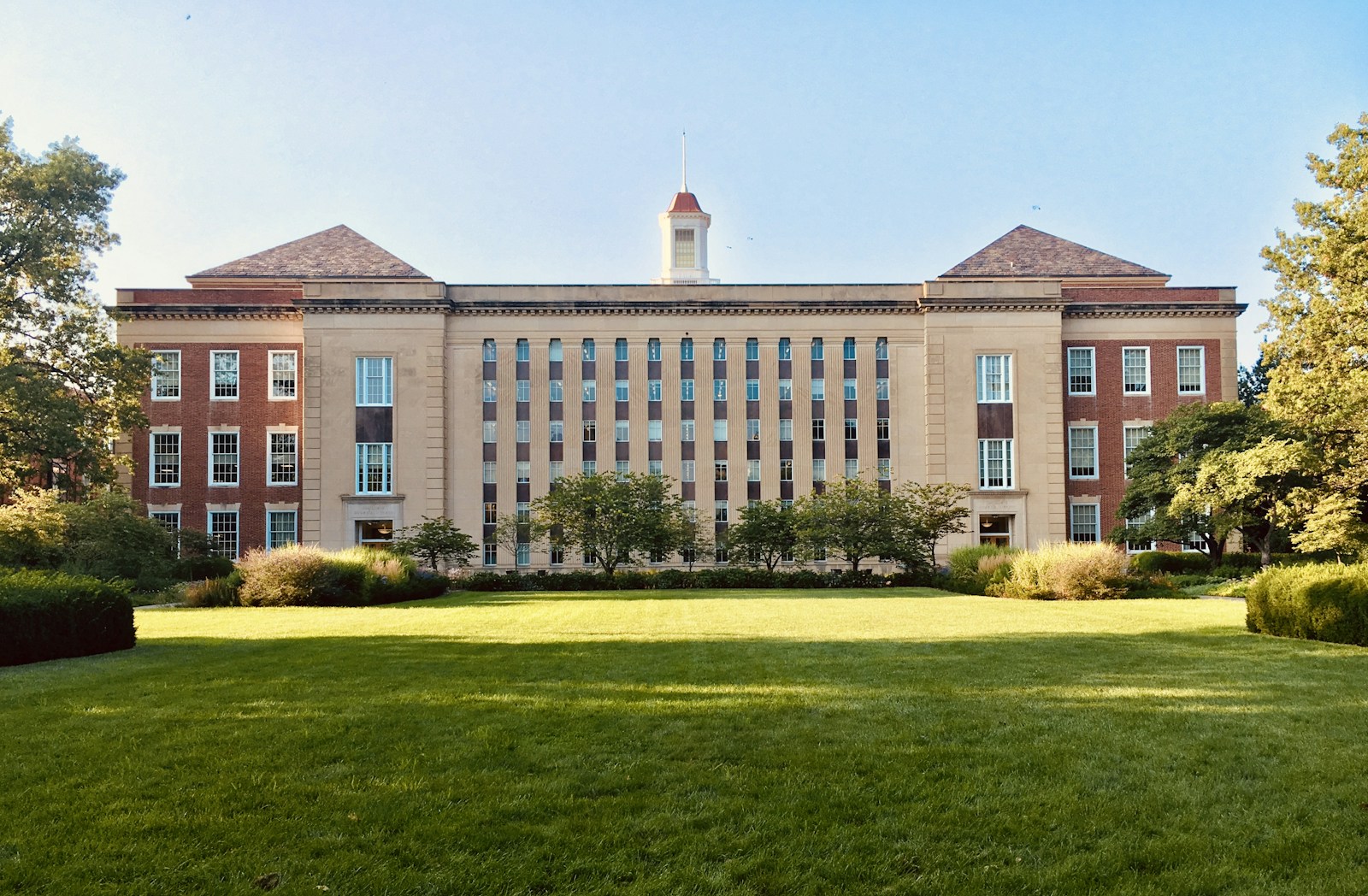
Campus imagery reflects our Sudbury Larch corridor location — walking distance from transit links and downtown amenities.
Community and alumni
Graduates of prior cohorts remain welcome at portfolio review sessions and selected alumni lectures announced each quarter. We do not operate a paid job placement network; alumni relationships focus on continued learning and ethical AI practice in professional settings across Ontario and beyond. Advisory office hours remain available to recent completers seeking guidance on capstone documentation or ethical use of generative AI tools in workplace projects.